
How to read a size chart (and when to ignore it)
Charts are a starting point, not a verdict. Here is how to use them and the three cases where you should trust the tape measure instead.
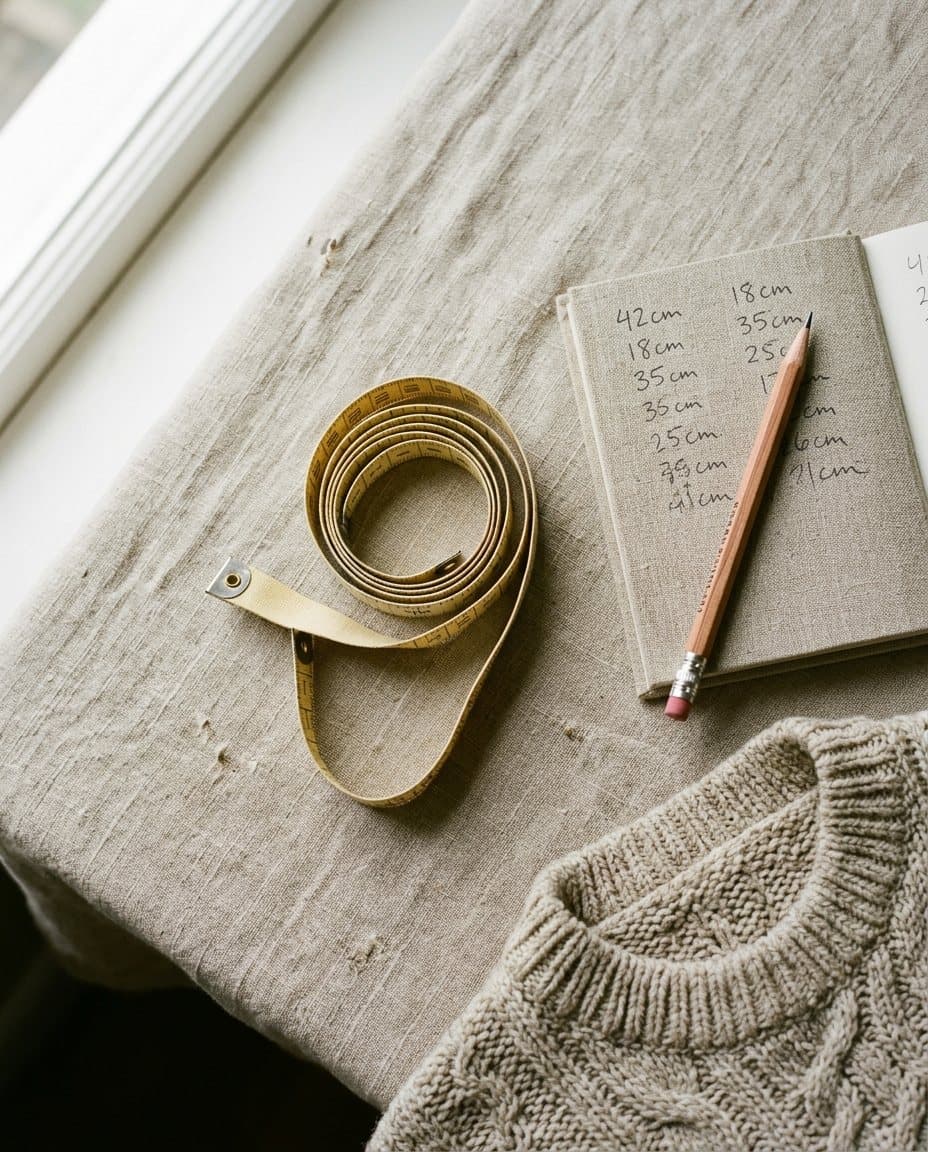
Every product page that has a supplier chart shows it in centimetres with inches below, for that piece only. The reason it is per piece is that suppliers grade differently — a medium in one brand is not a medium in another, and pretending otherwise is how returns happen.
How to read it
Find your bust, waist and hip on the chart and pick the size that fits the largest of the three. If you fall between sizes, size up for woven fabrics and size to the smaller for stretch. If the chart lists garment measurements rather than body measurements, add the ease you want — usually 2 to 5 centimetres for a relaxed fit.
The chart is for the garment. The tape is for you.
— the studio
When to ignore it
Three cases. First, knits: they stretch and recover, so a knit chart is a suggestion, not a rule — trust the fabric description. Second, anything with an elastic waist or a wrap: the chart is a range, not a number. Third, if you are between two sizes and the piece is final sale, measure the garment you already own that fits the way you want and compare.
The reliable fallback
When in doubt, write to the studio with your three measurements and the piece you are considering. A person will check the chart against your numbers and tell you what they would order. It is faster than a return.
The honest caveat
Charts come from suppliers and are not always perfect. If a chart looks wrong — a size that is clearly too small or too large for the garment — trust the tape and write to us. We would rather correct a chart than have you wear something that does not fit.

More from the journal.
- What we're wearing this OctoberCold mornings, warm afternoons — the season is one long layering problem and a handful of pieces solve it.
- How to measure yourself in four minutesThree numbers, two units, and the four minutes that make every chart in this shop work for you.
- Packing a carry-on in knitsKnit fabric rolls flat, springs back, and never reads as slept-in — a good carry-on is a knit problem.
- A five-piece weekOne dress, one knit, one jacket, one skirt, one set — and how they cover Monday to Sunday.
- How to layer a knit over a dressThe fastest way to take a summer dress into autumn, and the three proportions that always work.
- Matching sets, three waysA set is one outfit you don't have to think about — and two separates when you do.
- How to care for knitwear so it lastsWool, cashmere and cotton knitwear reward a little attention and punish none. The whole routine takes five minutes a season.
- Three pieces, five outfitsA small edit works because the pieces talk to each other. Here is one three-piece set and the five ways it dresses a week.
- The art of the layerLayering is not about warmth. It is about control — over temperature, over formality, over the shape of a day.
- Why we don't do flash salesNo countdown clocks, no compare-at theatre, no discount games. One price, shown before you choose. Here is why.
- The capsule checklistTwelve pieces. Forty outfits. The arithmetic of a wardrobe that works every morning without thinking.
- Fabric 101: what the label actually meansCotton, wool, polyester, viscose — the label tells you what the garment is made of, but rarely what that means for how it wears.
- How to build a travel wardrobeOne carry-on. Ten days. The packing arithmetic that makes it possible without looking like you packed for ten days.
- How to photograph your outfit (without a photographer)The photos you take of what you wear are the most useful thing in your wardrobe. Here is how to take better ones with a phone.
- The return policy, explainedThirty days. By mail. No restocking fee. Here is exactly how it works and what to expect.
- How to style a blazer (without looking like you're going to a meeting)A blazer is the most versatile piece in a wardrobe and the most misused. Here is how to wear it without the office.
- How to dress for a heatwaveWhen it is 35 degrees and the air does not move, dressing becomes a survival skill. Here is how to stay cool and look like you are not trying.
- How to build a work wardrobeFive pieces. Two weeks of outfits. No decision fatigue before 9am.
- How to care for denim (so it fades the right way)Denim is the only fabric that improves with wear. Here is how to help it along and avoid the mistakes that ruin it.
- How to dress for a wedding (without spending a fortune on a one-wear dress)A wedding outfit should be something you wear again. Here is how to choose one that earns its place in your wardrobe.