
Fabric 101: what the label actually means
Cotton, wool, polyester, viscose — the label tells you what the garment is made of, but rarely what that means for how it wears.
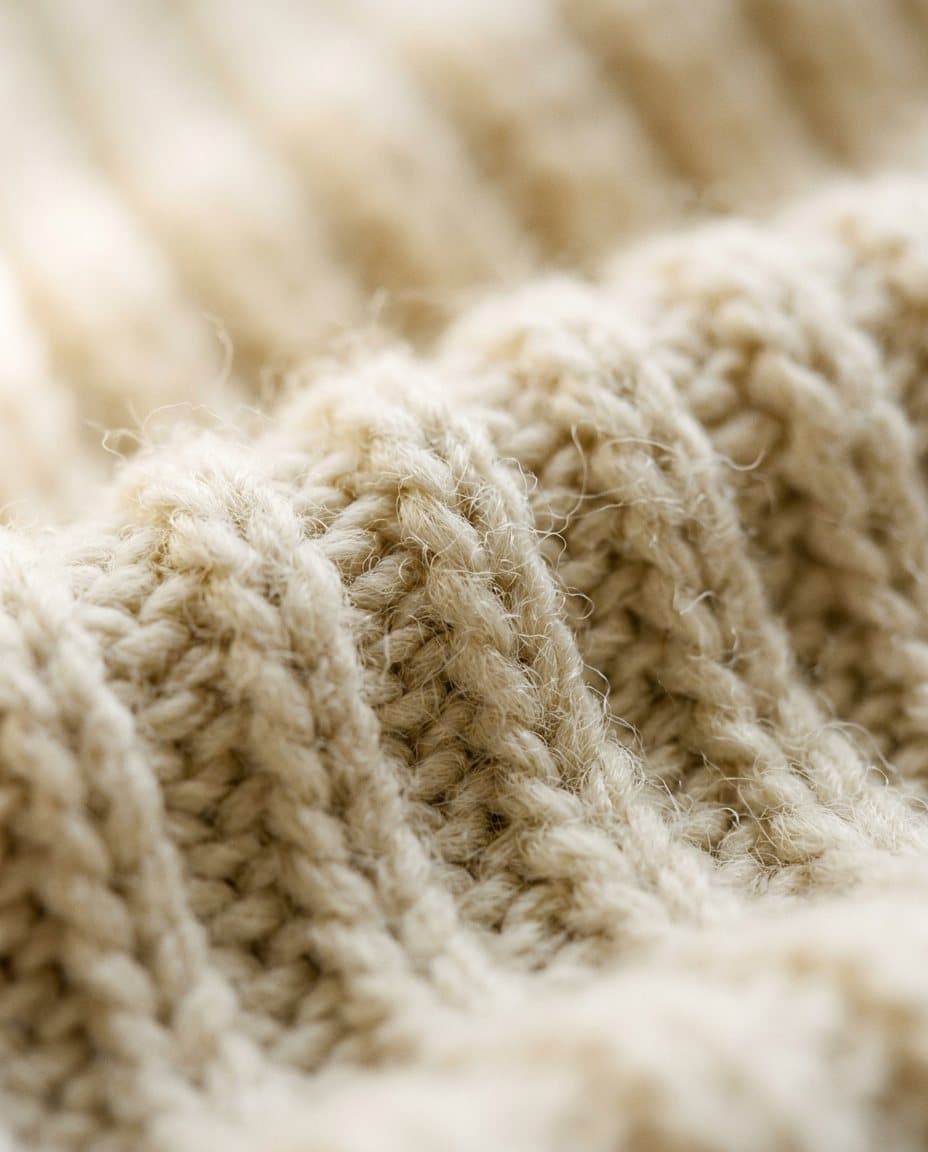
The care label on a garment is legally required and practically opaque. It lists the fibres by percentage, but it does not tell you what those fibres feel like, how they behave, or how to look after them. Here is a plain-language translation.
Cotton
Breathable, washable, durable. Cotton wrinkles and shrinks if you are careless with heat. It is the most forgiving fibre in the wardrobe and the right default for anything that touches skin.
The label is a recipe, not a verdict.
— the studio
Wool
Warm, breathable, naturally odour-resistant. Wool does not need washing often — air it and spot-clean. It pills, which is friction, not failure. Fine wool (merino, cashmere) is softer but more delicate.
Polyester
Durable, wrinkle-resistant, cheap. Polyester does not breathe well and holds odour. It is useful in blends and linings but rarely the right choice as the main fibre against skin.
Viscose / rayon
Soft, drapey, breathable. Viscose is made from wood pulp and behaves like a natural fibre but is weaker when wet. Wash gently and never wring.
Blends
A blend takes the best of each fibre. Cotton-polyester is durable and easy-care. Wool-nylon is warm and strong. The percentage tells you which fibre dominates — the first listed is the majority.

More from the journal.
- What we're wearing this OctoberCold mornings, warm afternoons — the season is one long layering problem and a handful of pieces solve it.
- How to measure yourself in four minutesThree numbers, two units, and the four minutes that make every chart in this shop work for you.
- Packing a carry-on in knitsKnit fabric rolls flat, springs back, and never reads as slept-in — a good carry-on is a knit problem.
- A five-piece weekOne dress, one knit, one jacket, one skirt, one set — and how they cover Monday to Sunday.
- How to layer a knit over a dressThe fastest way to take a summer dress into autumn, and the three proportions that always work.
- Matching sets, three waysA set is one outfit you don't have to think about — and two separates when you do.
- How to care for knitwear so it lastsWool, cashmere and cotton knitwear reward a little attention and punish none. The whole routine takes five minutes a season.
- Three pieces, five outfitsA small edit works because the pieces talk to each other. Here is one three-piece set and the five ways it dresses a week.
- The art of the layerLayering is not about warmth. It is about control — over temperature, over formality, over the shape of a day.
- Why we don't do flash salesNo countdown clocks, no compare-at theatre, no discount games. One price, shown before you choose. Here is why.
- How to read a size chart (and when to ignore it)Charts are a starting point, not a verdict. Here is how to use them and the three cases where you should trust the tape measure instead.
- The capsule checklistTwelve pieces. Forty outfits. The arithmetic of a wardrobe that works every morning without thinking.
- How to build a travel wardrobeOne carry-on. Ten days. The packing arithmetic that makes it possible without looking like you packed for ten days.
- How to photograph your outfit (without a photographer)The photos you take of what you wear are the most useful thing in your wardrobe. Here is how to take better ones with a phone.
- The return policy, explainedThirty days. By mail. No restocking fee. Here is exactly how it works and what to expect.
- How to style a blazer (without looking like you're going to a meeting)A blazer is the most versatile piece in a wardrobe and the most misused. Here is how to wear it without the office.
- How to dress for a heatwaveWhen it is 35 degrees and the air does not move, dressing becomes a survival skill. Here is how to stay cool and look like you are not trying.
- How to build a work wardrobeFive pieces. Two weeks of outfits. No decision fatigue before 9am.
- How to care for denim (so it fades the right way)Denim is the only fabric that improves with wear. Here is how to help it along and avoid the mistakes that ruin it.
- How to dress for a wedding (without spending a fortune on a one-wear dress)A wedding outfit should be something you wear again. Here is how to choose one that earns its place in your wardrobe.